THE FALSE FACADE: From Contradictions to Confusion, Faux Pas to Community Shame, Ronald Ngala must be yelling in his grave!
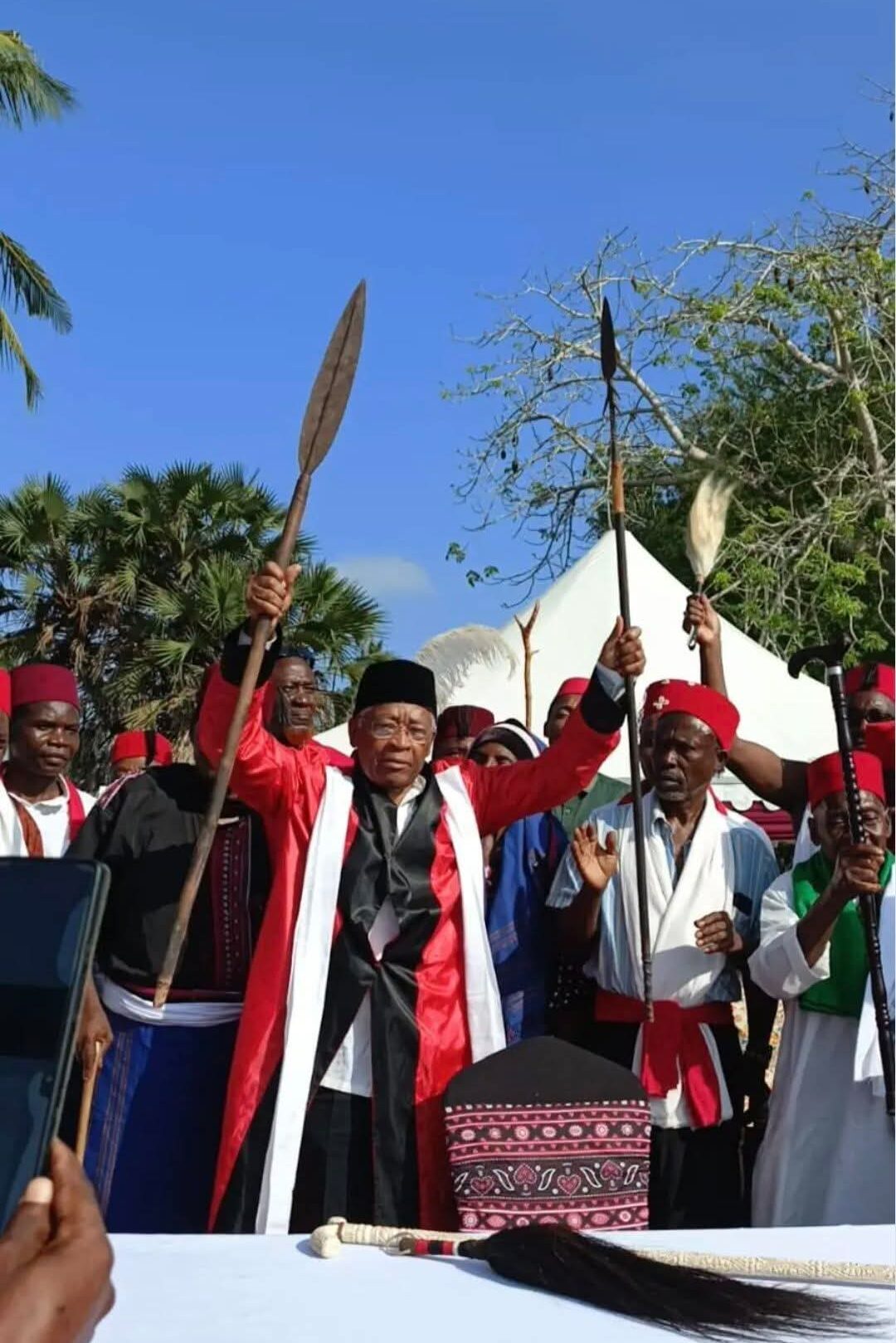
Wapwani , kindly listen!
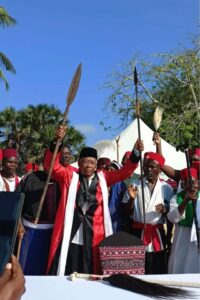
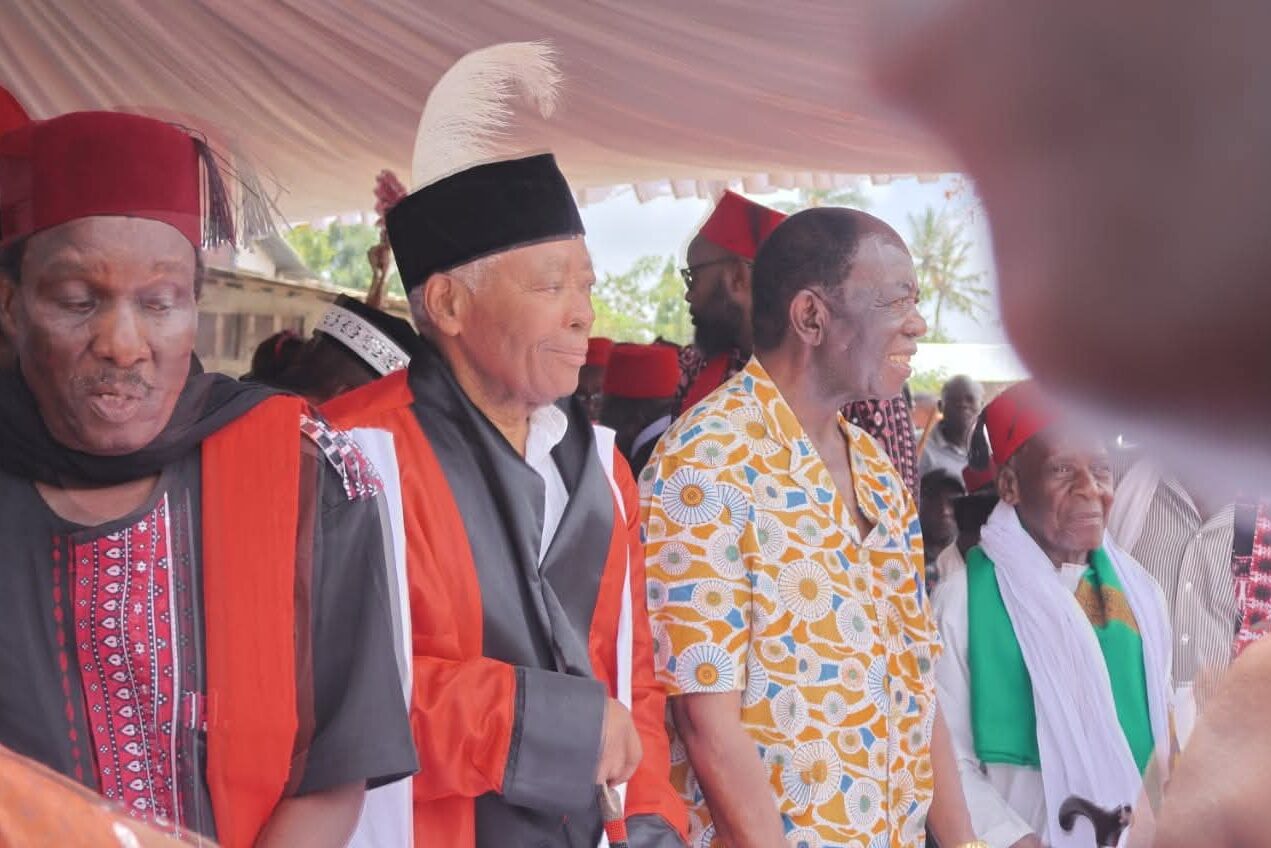
What I witnessed in Vishakani on Friday 26th is not what Ronald Gideon Ngala envisioned. Total flop of Ngala’s Ideological Creed!
It was a fake facade manifested with two faces: one as champions of ethnic unity and the other as historical merchants of community betrayal and brokerage.
Shame! It’s a very big shame!
Ngala Wa Vidzo must be wailing in his grave.
Let me debunk their mask with few premises!
Ronald Ngala and the Birth of Mijikenda Renaissance
Ronald Ngala was a key figure in Kenya’s independence movement and a champion of minority rights. Born in 1923, he became the leader of the Kenya African Democratic Union (KADU) in 1960, advocating for a federal system of government, known as “majimboism.” This ideology aimed to protect minority tribes and promote regional autonomy.
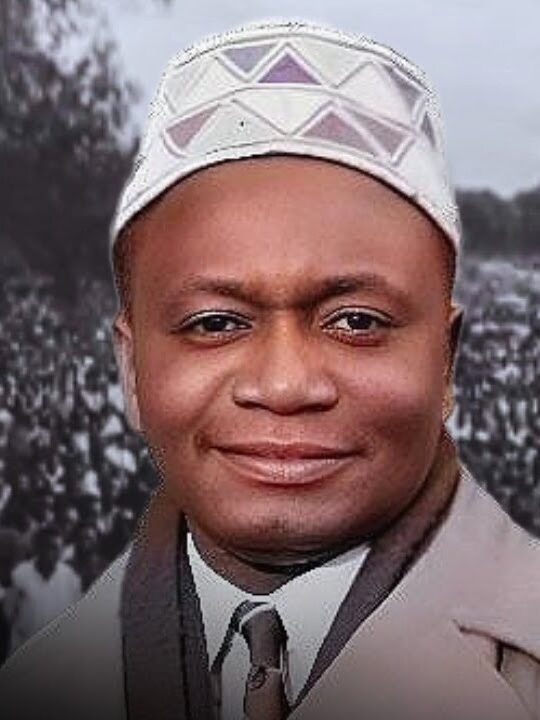
Ngala played a crucial role in Kenya’s pre-independence politics, negotiating with the British government at the Lancaster House Conference. He became the first Chief Minister of Kenya in 1961 but later dissolved KADU in 1964 to join the ruling Kenya African National Union (KANU).
Ngala is remembered as the “father of devolved systems of governance” in Kenya, and his legacy MUST be celebrated by all members of the Mijikenda community and not an exclusive grouping registered as a Welfare Association. In fact, Ngala United all the Coast People irregardless of tribe and religion. Ngala could call a rally at Tononoka grounds, and half of the crowd feeling the field would be non Mijikendas.
The Ideological mismatch
What started as an exciting conversation has now ended up as an elite club purporting to be ambasadors of the Coast unity agenda.
More intriguing is the fact that some of these elites were there before. We saw them as well privileged individuals swimming with political power, money, and Nairobi connections. Now they are old, idle, and broke with no capacity nor energy to galvanise anyone, even their own families. How can they unite us as Mijikenda people.
Vishakani’s misrepresentation of Ronald Ngala’s ideology is when Ngala’s advocacy for majimboism was portrayed through a tribal convergence. Ngala was a nationalist. Even if he fought for regional autonomy, he did so Kenya and not for an exclusive Mijikenda people. For Ngala it was about every native coast citizen, whether a bajun in lamu or a pokomo in Garsen. Whether a mpemba in Lungalunga or Mchonyi in Ziani. Whether a Muwatha in Watamu or a Giryama in Vishakani. Ngala was for everyone.

Ngala’s push for regional autonomy was actually aimed at protecting minority rights and promoting equitable resource distribution, not promoting ethnic segregation as manifested by the Vishakani gathering.
In reality, Ngala’s vision was about:
a) Decentralizing power to regions
b) Ensuring minority voices are heard
c) Equitable resource sharing
This gets misrepresented when people claim he wanted to create “ethnic enclaves” or promote tribal divisions. In Kenyan politics, such misrepresentation can fuel divisions. His legacy among the Mijikenda community shows his focus was unity and empowerment through devolution.
A False Start!
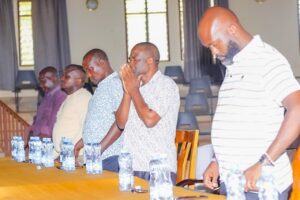
Under the guise of unity sat few old, politically retired or rejected men who are idle in Nairobi for a secret meeting.
In this meeting, a plan was hatched to register a welfare association that will process welfare concerns of Mijikenda people, especially those working and staying far from home.
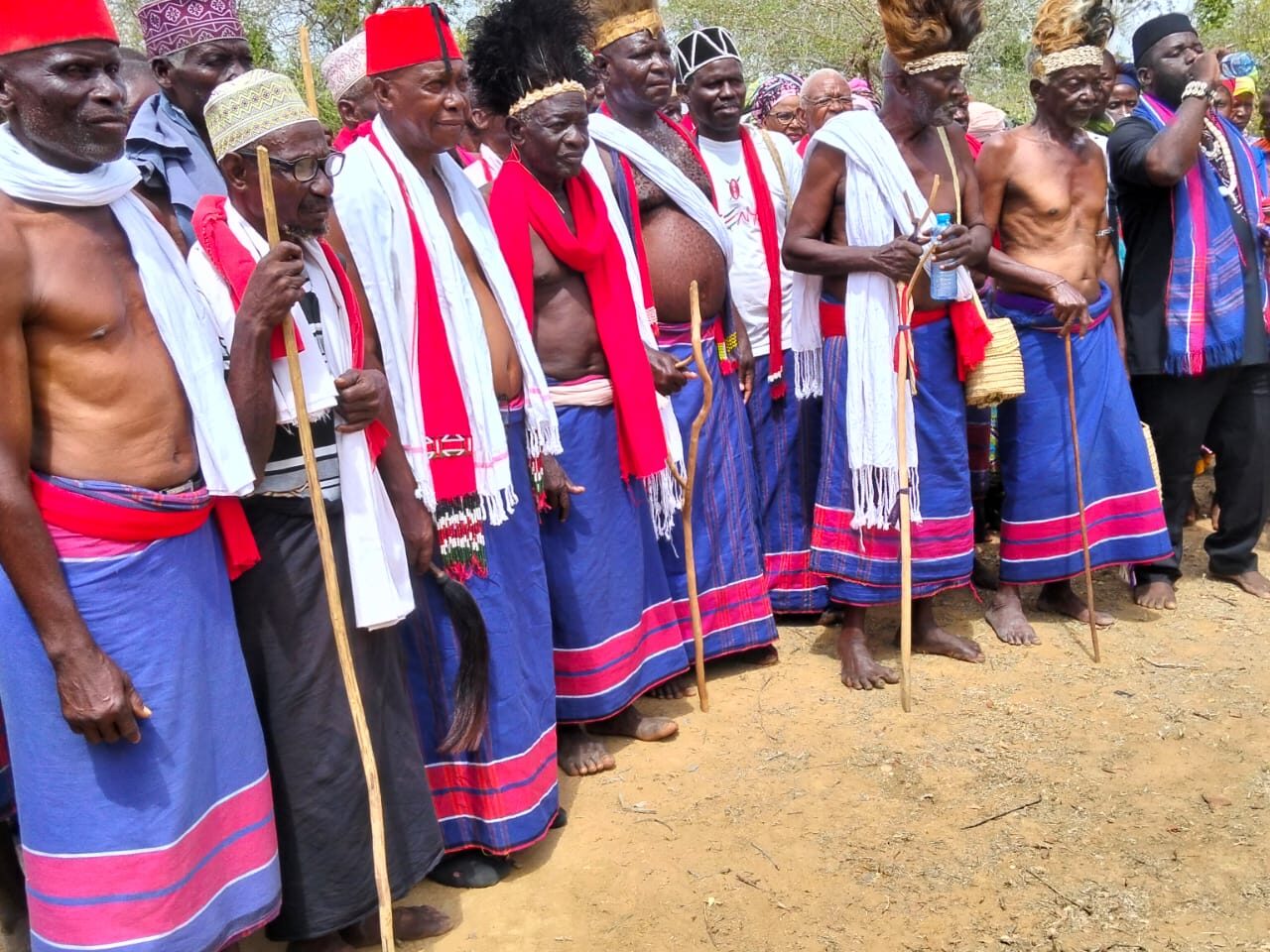
When this idea reached few individuals with selfish and opportunistic tendencies like Chirau Ali Makerwe, the plot twist turned without the pioneers knowing.
Little did the vision bearers like Beatrice Gambo, William Kingi, Gideon Saburi and Hassan Mbetsa knew that all this was to resurrect few political retirees, and reject from their political graves. Makwere emerged as the biggest beneficiary.
This was evidenced by two missteps in Vishakani:
1) The Umwenga Wehu Association with a constitution established a position of a Spokesperson. The occupier of this office is Chirau Ali Makwere: Spokesperson of a Welfare Association and not the entire Mijikenda nation. The later was more dominant implying that someone is positioning himself to use this welfare to lure gullible Mijikenda citizens into a political con game. He did it with SHIRIKISHO PARTY. Here he is, with Umwenga Wehu
2). Ngala was a Politician with a political party with different national positions. For Ngala Community Empowerment can only be attained through a sound political agenda with political institutions. That’s why for Ngala, his political ideology of regional was tenable through a political system and not a welfare association.
The Community Shame needs to be erased, not by anyone but by our Coast political leaders
What happened in Vishakani was unfortunate. Since the spirits of Ngala are getting unsettled. Ngala didn’t form a welfare association to negatiote for his region’s national cake. He formed a political party. And used that party to negotiate for socio-economic empowerment of his people. Ngala’s model is similar today’s model under the Political arrangement of the Pamoja African Alliance-PAA Party. PAA’S Party Leader’s Vision is the version of Ngala during pre-independence and independence times. Let’s Wapwani rally behind the PAA Party for regional’s economic liberation.
About The Author